
Coffee can be simple: grind the beans, add water, and enjoy. But once you start paying attention to aroma, flavor, freshness, origin, roast, and brewing, you discover that coffee can be much more than an everyday beverage.
That is where specialty coffee comes in.
Specialty coffee focuses on the quality and character of coffee throughout its journey—from where the beans are grown and how they are sourced to how they are roasted and finally brewed. Instead of treating coffee as a commodity, specialty coffee puts greater emphasis on the bean, its origin, and the experience in the cup.
But what exactly makes coffee “specialty”? How is it different from regular coffee? And what should you look for when buying specialty coffee beans for your home?
Let’s break it down.

What Is Specialty Coffee?
Specialty coffee is coffee produced with a strong focus on quality, traceability, careful sourcing, roasting, and preparation.
The term is often associated with coffees that have distinctive flavor characteristics and are handled with greater attention at different stages of the coffee journey.
For a coffee drinker, this can mean a cup with more clarity, aroma, balance, sweetness, or complexity.
However, specialty coffee is not simply about making coffee taste stronger or more expensive. A dark, intense coffee is not automatically better than a light or medium roast. The goal is to preserve and highlight the natural characteristics of the beans.
At Cherritos Coffee Co., this philosophy is reflected in a focus on specialty coffee from Indian estates, freshly roasted in small batches, with no additives or preservatives.
In other words, specialty coffee is about being more intentional about what goes into your cup.
Why Does Coffee Origin Matter?
Coffee is an agricultural product, which means where it is grown can influence how it tastes.
Factors such as climate, altitude, soil, rainfall, processing methods, and the characteristics of the coffee-growing region can contribute to the final flavor profile.
This is why two coffees made from the same species of coffee plant can taste noticeably different.
A coffee grown in one region may have bright and lively characteristics, while another may offer deeper, richer, or more chocolate-like notes.
For Indian coffee drinkers, this makes exploring locally grown coffee particularly interesting.
India has a long history of coffee cultivation, with estates across regions known for producing distinctive beans. Cherritos focuses on sourcing from selected Indian estates, connecting the character of the growing region with the finished coffee.
From Estate to Cup
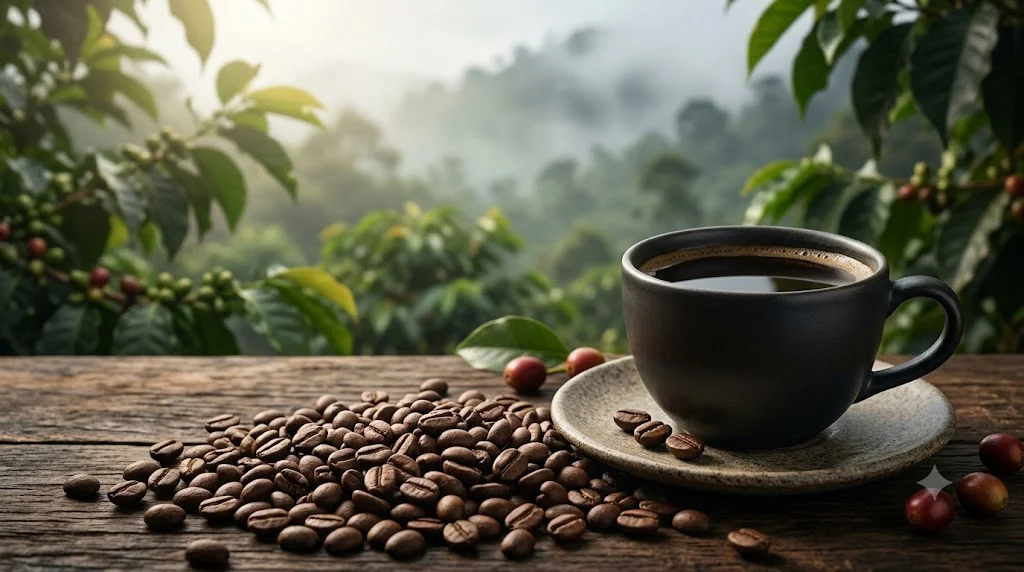
The journey of coffee begins long before the beans reach your kitchen.
Coffee cherries are cultivated, harvested, processed, dried, sorted, and eventually roasted. Each stage can influence the final result.
This is one reason understanding coffee origin can make drinking coffee more interesting. Instead of seeing every packet as simply “coffee,” you begin to understand that each bean has a story.
Arabica vs. Robusta: What Is the Difference?
When shopping for coffee, you may come across two familiar names: Arabica and Robusta.
Arabica and Robusta are different species of coffee, and they can produce significantly different characteristics in the cup.
Arabica is often associated with a smoother and more nuanced drinking experience, while Robusta is generally known for its stronger, more intense character and higher caffeine content.
The choice ultimately comes down to personal preference.
Cherritos emphasizes 100% Arabica / pure beans, with coffee sourced from carefully selected estates. The brand describes its Arabica coffees as offering a smooth, balanced, and authentic cup.
For people who want to explore the flavor side of coffee, Arabica can be an excellent starting point.
How Does Roasting Affect Coffee Flavor?
Green coffee beans don’t taste like the coffee you drink.
Roasting transforms the beans and develops the aromas and flavors that make coffee recognizable. The roast level can significantly influence the character of the final cup.
Light Roast
Lightly roasted coffee generally retains more of the characteristics associated with the bean’s origin.
Depending on the coffee, you may notice brighter, more delicate, or more complex flavors.
Medium Roast
Medium roasts aim for a balance between origin character and roast development.
They can be approachable for everyday drinking while still offering noticeable flavor complexity.
Dark Roast
Dark roasting produces a deeper and more intense flavor profile.
You may experience stronger roasted, bitter, smoky, or bittersweet characteristics depending on the coffee.
Importantly, dark does not automatically mean stronger quality. Roast level is about flavor preference, not a simple measure of coffee quality.
Cherritos offers coffees across different roast profiles, including medium, medium-dark, and dark roast options. Its range includes blends such as Heritage Select, Highland Reserve, Western Crest, Monsoon Malabar, Vienna Roast, Coorg Mud Blend, Signature Blend, and Millennium Blend.
This allows coffee drinkers to explore different styles and find what suits their palate.
Why Freshly Roasted Coffee Matters
One of the biggest factors affecting the coffee experience is freshness.
Coffee begins changing after roasting. Exposure to oxygen, moisture, heat, and light can gradually affect its aroma and flavor.
That is why freshly roasted coffee can provide a more vibrant experience than coffee that has been sitting around for a long time.
Cherritos follows a small-batch roasting approach, with the stated goal of preserving aroma, flavor, and freshness.
Small-batch roasting also supports a more deliberate approach to developing each coffee.
For consumers, the takeaway is simple: when buying coffee, pay attention not only to the roast level but also to freshness and storage.
Does Specialty Coffee Need Additives?
Not necessarily.
Pure coffee already contains a remarkable range of natural aromas and flavors. Specialty coffee generally emphasizes the characteristics of the beans rather than masking them with additional ingredients.
Cherritos specifically positions its coffee as having no chicory, no added flavouring, and no preservatives.
This allows the natural character of the coffee to remain the focus.
If you’re buying coffee beans or ground coffee, checking the ingredient information is a simple way to understand what you’re actually purchasing.
What Makes a Great Cup of Coffee?
There isn’t one universal answer.
A great cup depends on several factors working together:
- Coffee origin
- Bean quality
- Roast level
- Freshness
- Grind size
- Water quality
- Water temperature
- Brewing method
- Coffee-to-water ratio
- Personal taste
Cherritos summarizes three important parts of the coffee experience as origin, roast, and brewing.
Even excellent beans can produce disappointing coffee if they are poorly stored or brewed.
That’s why specialty coffee isn’t only about buying better beans. It’s also about learning how to get the best from them.
Which Brewing Method Should You Choose?
Your brewing method can change the way coffee tastes.
French Press
French press brewing is a good option if you enjoy a fuller-bodied cup.
The longer immersion brewing process allows coffee oils and more of the bean’s character to remain in the final drink.
Pour Over
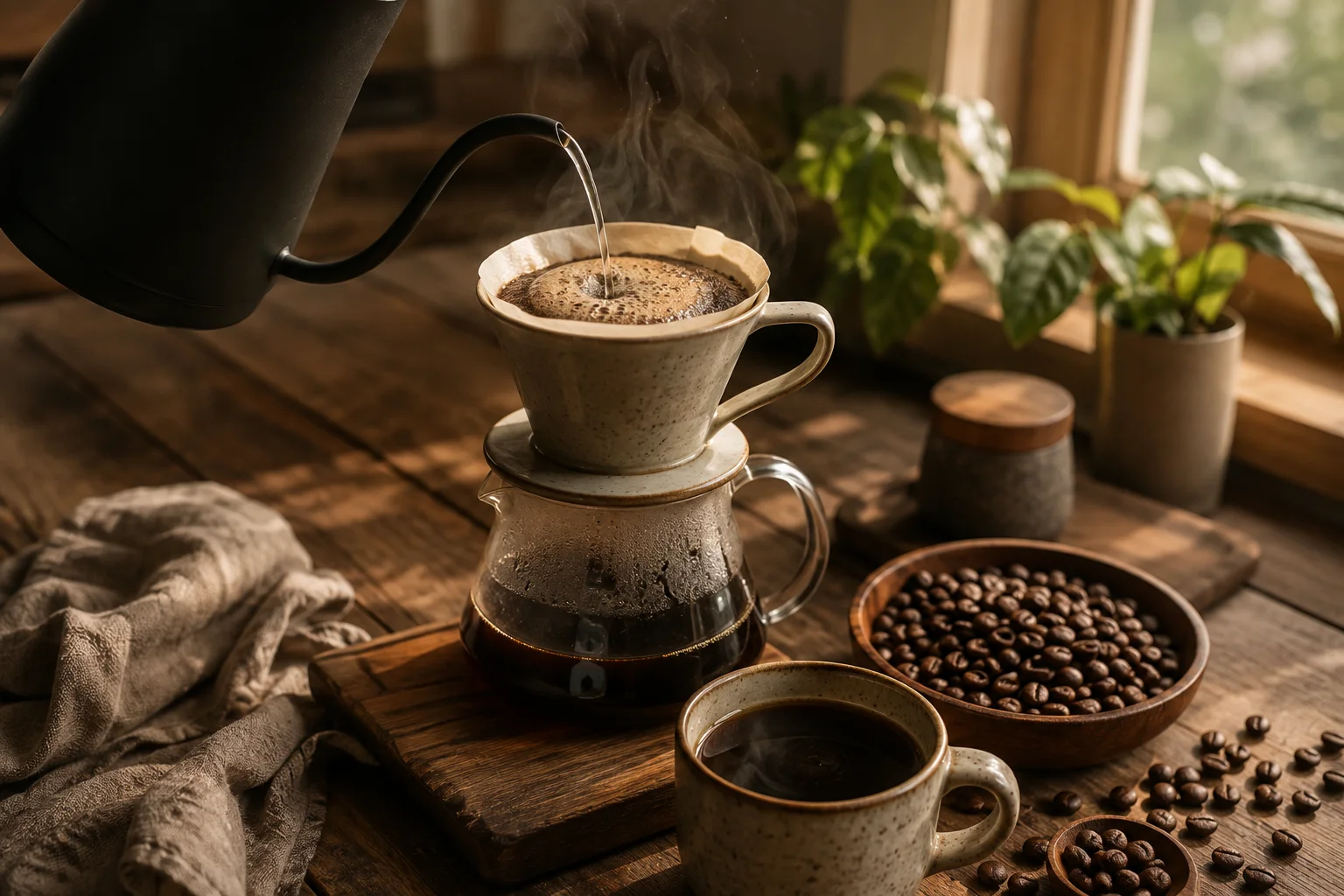
Pour-over methods such as the V60 offer greater control over brewing variables.
They can be especially enjoyable when you want to explore the aroma, clarity, and individual characteristics of a coffee.
South Indian Filter Coffee
For Indian coffee lovers, the South Indian filter remains a familiar and distinctive brewing style.
It creates a rich, concentrated coffee that can be enjoyed traditionally with milk or adapted according to personal preference.
Espresso
Espresso uses finely ground coffee and pressure to produce a concentrated shot.
It can also serve as the foundation for drinks such as cappuccino, latte, and Americano.
Cold Brew
Cold brew uses a longer extraction process with cold or room-temperature water.
The result is typically smooth and refreshing, making it particularly appealing during warmer months.
Cherritos provides dedicated guides covering French press, pour-over/V60, South Indian filter coffee, espresso basics, and cold brew.
How to Choose the Right Specialty Coffee
If you’re new to specialty coffee, the number of choices can feel overwhelming.
You don’t need to understand every coffee term before buying your first bag.
Start with your preferred flavor experience.
If You Like Smooth and Easy Coffee
Look for balanced, approachable coffees that work well for everyday drinking.
If You Prefer Rich and Balanced Flavors
A medium-dark or balanced blend may be a good starting point.
If You Like Strong, Intense Coffee
Consider darker roasts or coffees described as deep, bold, or full-bodied.
Cherritos simplifies this choice through three broad flavor categories: Smooth & Easy, Balanced & Bold, and Strong & Intense.
This approach makes it easier to choose coffee based on how you actually like to drink it rather than getting lost in technical terminology.
How to Store Specialty Coffee at Home
Even great coffee can lose quality if it isn’t stored properly.
Keep coffee away from:
- Excessive heat
- Moisture
- Direct sunlight
- Excessive exposure to air
A good airtight container can help protect the coffee from environmental exposure.
It is also better to avoid buying significantly more coffee than you can consume while it is still fresh.
If possible, buy quantities that match your normal consumption and keep the coffee properly sealed between uses.
How to Start Tasting Coffee Like a Coffee Lover
You don’t need professional training to notice differences between coffees.
Start by paying attention to four things:
Aroma: What do you smell before and after brewing?
Flavor: What do you notice when you take your first sip?
Body: Does the coffee feel light, creamy, heavy, or full-bodied?
Finish: What flavors remain after swallowing?
Try two coffees side by side and compare them.
You may begin noticing differences in sweetness, bitterness, acidity, body, aroma, and overall balance.
Cherritos also provides educational resources on coffee tasting, flavor profiles, tasting notes, and identifying good coffee.
The more you taste, the easier it becomes to understand your own preferences.
Is Specialty Coffee Worth It?
For many coffee drinkers, the answer comes down to experience.
If coffee is simply a caffeine source, you may not care about origin, roast, freshness, or brewing technique.
But if you enjoy the ritual of making coffee and want to discover more flavor in every cup, specialty coffee can make that everyday ritual much more rewarding.
The difference isn’t necessarily about making coffee complicated.
It’s about paying attention.
When you know where your coffee comes from, how it was roasted, how fresh it is, and how to brew it properly, you can make a more informed choice—and potentially enjoy a much better cup.
Specialty coffee is ultimately about treating coffee with more care.
From the estate where the coffee is grown to the roast profile and brewing method, every step can influence what ends up in your cup.
For Indian coffee drinkers, exploring coffees sourced from Indian estates can be an especially rewarding way to understand the diversity and character of locally grown beans.
Cherritos Coffee Co. brings together carefully selected Indian coffee, 100% Arabica beans, small-batch roasting, and an emphasis on pure coffee without additives.
So the next time you make coffee, don’t just ask, “How strong is it?”
Ask where it came from, how it was roasted, how fresh it is, and how it was brewed.
That’s where the real coffee journey begins.


