
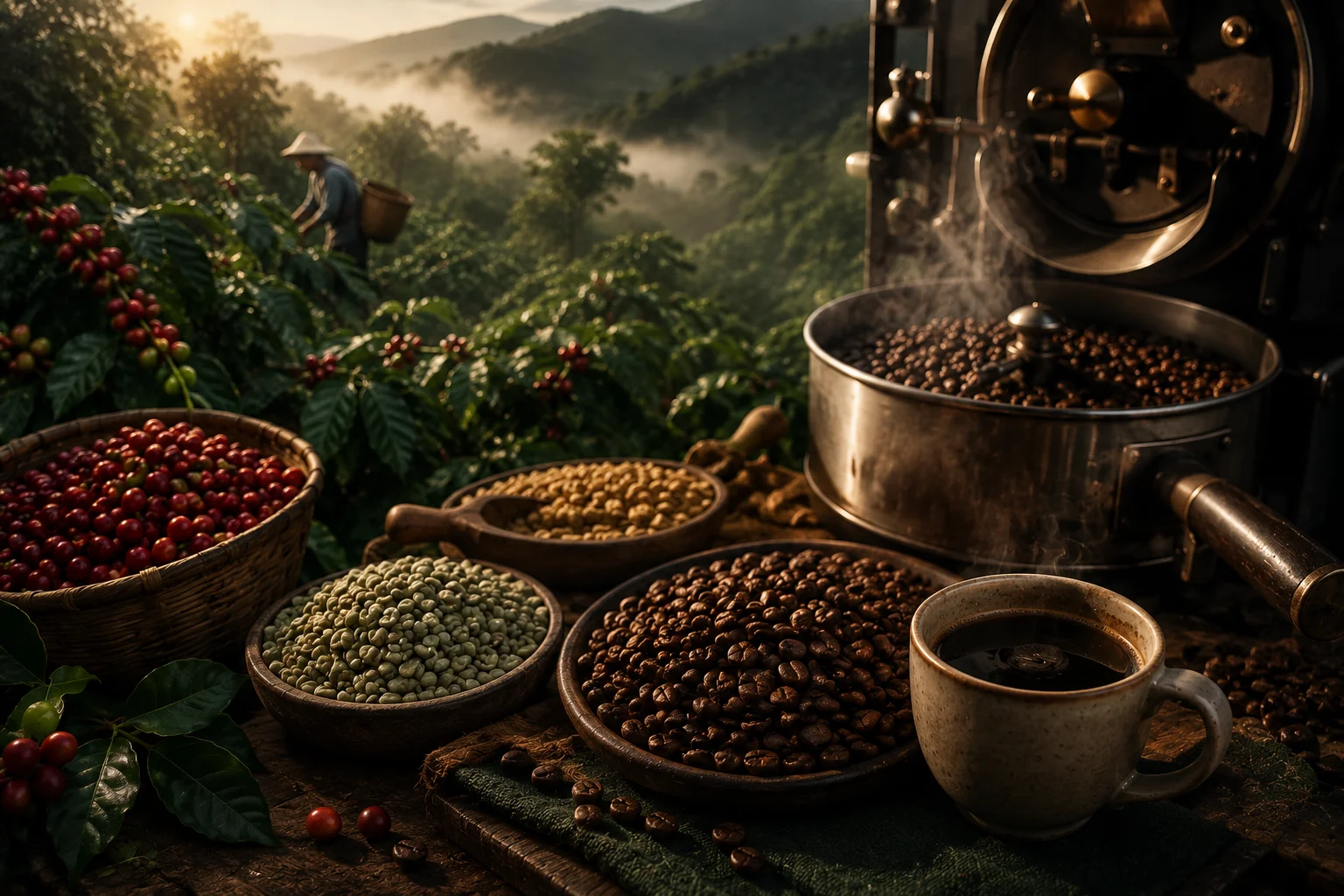
There is something special about opening a fresh bag of coffee.
The aroma rises immediately. The beans look vibrant. And when you brew that first cup, you expect the coffee to taste as good as it smells.
But coffee freshness is not only about when the beans were roasted. What happens after roasting matters too.
Exposure to oxygen, moisture, light, heat, storage conditions, and even the time between roasting and brewing can influence the coffee experience.
For coffee lovers, understanding freshness is one of the simplest ways to improve the quality of every cup.
At Cherritos Coffee Co., freshness is treated as an essential part of the coffee journey. The brand focuses on small-batch roasting, protective packaging, and minimizing the time between roasting and delivery.
So, how do you keep coffee fresh? And what should you look for when buying freshly roasted coffee beans?
Let’s explore.
What Does Coffee Freshness Really Mean?
Coffee freshness refers to how well coffee retains its desirable aroma, flavor, and character after roasting.
Once coffee beans are roasted, they begin to undergo natural changes. Their aroma and flavor can gradually change as the beans interact with their environment.
This doesn’t mean coffee suddenly becomes “bad” after a particular number of days. Instead, freshness is about preserving the qualities that make a coffee enjoyable.
A freshly roasted coffee can have a more expressive aroma and clearer flavor, while poorly stored coffee may taste flatter or less vibrant.
This is why freshness should be considered from roast to cup.

Why Is Freshly Roasted Coffee Important?
Roasting transforms green coffee beans into the aromatic brown beans we recognize.
During roasting, heat develops the compounds responsible for coffee’s aroma, flavor, and color.
After roasting, however, coffee is exposed to its surroundings.
This is where storage and packaging become important.
Cherritos states that its coffee is roasted in small batches to help maintain aroma, flavour integrity, and consistency.
Small-batch roasting also supports a more intentional approach to producing coffee.
Instead of treating coffee as a mass-produced commodity, the focus remains on preserving the intended characteristics of each blend.
The Four Biggest Enemies of Coffee Freshness
If you want your coffee to stay fresh for longer, start by understanding what affects it.
1. Oxygen
Oxygen is one of the major factors that can gradually affect coffee.
When roasted coffee is exposed to air, its aroma and flavor can change over time.
This is why leaving a coffee bag open on the kitchen counter is not ideal.
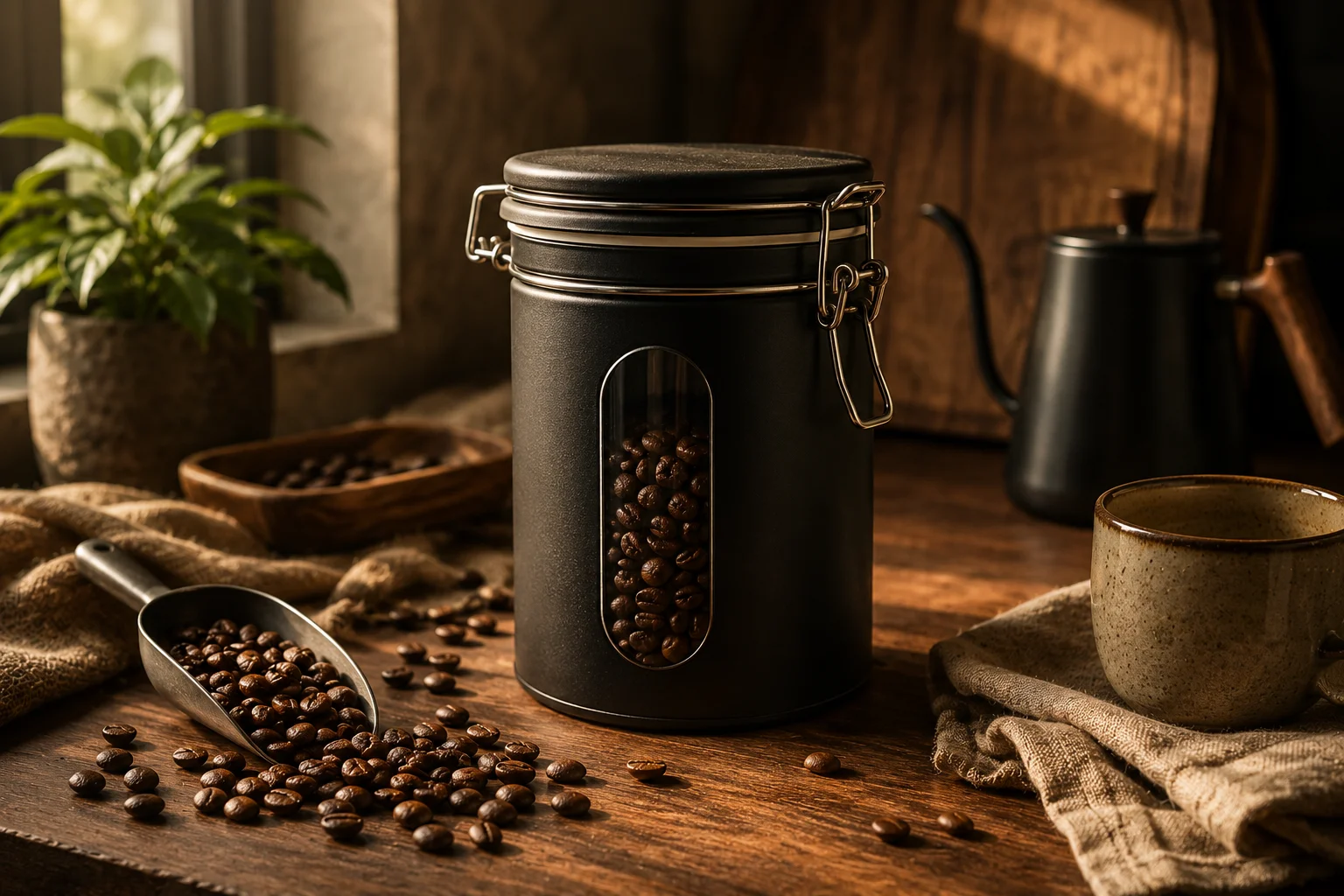
After opening your coffee, close the package properly or transfer the beans into a suitable airtight container.
The goal is simple: reduce unnecessary exposure to air.
2. Moisture
Coffee beans should be kept dry.
Moisture can negatively affect coffee quality and can also introduce unwanted changes to the beans.
Avoid storing coffee near the sink, kettle, dishwasher, or other areas where humidity and water exposure are common.
A dry storage environment is an important part of protecting coffee freshness.
3. Light
Direct light can also affect stored coffee.
This is one reason transparent containers placed in direct sunlight aren’t always the best storage choice.
Instead, keep coffee in a container or package that provides protection from light and store it somewhere away from direct sunlight.
Cherritos specifically states that its packaging is designed to protect coffee from oxygen, moisture, and light.
4. Heat
Coffee generally does better when stored away from excessive heat.
A kitchen cabinet away from appliances, sunlight, and sources of heat can be a practical storage location.
The objective is to create a stable, dry environment rather than exposing coffee to repeated temperature changes.
How Should You Store Coffee at Home?
Good coffee storage doesn’t need to be complicated.
Follow these simple practices:
- Keep coffee tightly sealed.
- Store it in a cool, dry place.
- Protect it from direct sunlight.
- Keep it away from moisture.
- Avoid unnecessary exposure to air.
- Buy an amount you can comfortably consume while it is fresh.
- Keep the storage container clean and dry.
The most important thing is consistency.
You don’t need an elaborate coffee station to protect your beans. A good storage routine can make a noticeable difference.

Should You Buy Whole Beans or Ground Coffee?
Both can be convenient, but whole beans offer an important advantage: you can grind them immediately before brewing.
Grinding increases the surface area of coffee that comes into contact with the surrounding environment.
For people who want to maximize aroma and flavor, grinding shortly before brewing can be a useful habit.
If convenience is more important, ground coffee can still produce a great cup when it is properly packaged and stored.
The key is to minimize unnecessary exposure to air and other environmental factors.
Why Small-Batch Roasting Matters
Not all coffee is produced in the same way.
Large-scale production can prioritize volume and efficiency, while small-batch roasting allows greater attention to individual batches.
Cherritos describes its approach as avoiding mass production and roasting in smaller quantities to maintain aroma, flavor integrity, and consistency.
For the coffee drinker, this means freshness becomes part of the production philosophy rather than something considered only after the coffee has been roasted.
From Roast to Cup: Why Delivery Time Matters
Freshness isn’t only about roasting.
The journey between the roasting facility and your kitchen also matters.
The longer coffee sits before reaching the consumer, the more time it has to interact with its environment.
Cherritos states that it aims to minimize the time between roasting and delivery so customers can experience coffee at its freshest.
This creates a simple chain:
Careful sourcing → Small-batch roasting → Protective packaging → Efficient delivery → Fresh brewing
Every stage contributes to the final cup.
How Packaging Helps Preserve Coffee
Good packaging is more than attractive branding.
Its primary job is to protect what’s inside.
Coffee packaging should help reduce exposure to environmental factors that can affect quality.
According to Cherritos’ Freshness Promise, its packaging is designed to protect coffee from:
- Oxygen
- Moisture
- Light
This protection helps preserve the coffee’s intended flavor and aroma until it reaches the consumer.
When purchasing coffee, packaging is therefore worth considering alongside origin, roast level, and flavor profile.
Does Fresher Always Mean Better?
Freshness is important, but coffee isn’t simply a case of “the newer, the better.”
Coffee changes naturally after roasting, and the ideal experience depends on the coffee, roast, brewing method, and personal preference.
Instead of obsessing over a specific number of days, focus on buying coffee from a roaster that takes freshness seriously and storing it correctly once it arrives.
The goal is to enjoy the coffee while its aroma and flavor are at their best.
How Can You Tell If Coffee Has Lost Its Freshness?
There isn’t one universal test.
Instead, pay attention to the overall sensory experience.
A coffee that once had a vibrant aroma may begin to smell less expressive.
The brewed cup may also seem flatter, less aromatic, or less distinctive than you remember.
If your brewing process hasn’t changed but the coffee consistently tastes noticeably different, storage or age could be one factor worth considering.
Learning to taste coffee is useful here because it helps you notice subtle changes.
Pay attention to:
Aroma: Does the coffee smell vibrant and inviting?
Flavor: Are the expected characteristics present?
Body: Does the coffee still have the texture you enjoy?
Finish: Does the flavor remain pleasant after each sip?
The more regularly you taste and compare coffee, the easier it becomes to recognize changes.
Freshness Starts Before You Brew
It’s tempting to think that brewing is where coffee quality begins.
Actually, brewing is only one part of the process.
Consider everything that happens before the coffee reaches your cup:
- Coffee is grown at an estate.
- The beans are harvested and processed.
- Green coffee is selected.
- The beans are roasted.
- The roasted coffee is packaged.
- The coffee is transported.
- You store it at home.
- You grind and brew it.
Every stage can influence the final experience.
Cherritos describes its overall commitment as beginning with origin selection and continuing through roasting profiles, with each decision intended to bring out the best expression of its blends.
How to Build a Better Coffee Storage Routine
A simple routine can make coffee care almost effortless.
Step 1: Buy the Right Quantity
Avoid purchasing much more coffee than you normally consume.
Buying according to your drinking habits helps you enjoy the coffee while it is still fresh.
Step 2: Keep It Sealed
After each use, close your coffee packaging properly.
Don’t leave the bag open between brewing sessions.
Step 3: Choose the Right Location
A cool, dry cupboard away from sunlight and heat is generally a practical choice.
Step 4: Grind Only What You Need
If you’re using whole beans, grind the quantity required for your brew rather than grinding your entire supply at once.
Step 5: Brew Consistently
Use a repeatable brewing method so you can distinguish changes in the coffee from changes in your technique.
Freshness and Specialty Coffee
Freshness becomes particularly meaningful when you’re drinking specialty coffee.
Specialty coffee often encourages consumers to explore the natural characteristics of individual beans, origins, roast profiles, and flavor notes.
If those characteristics are the reason you selected a coffee, preserving them becomes important.
Cherritos combines carefully selected Arabica beans with small-batch roasting and a focus on freshness. The brand also positions its coffee as pure, with no chicory or added flavouring agents.
The result is an approach centered on allowing the coffee itself to remain the focus.
Fresh Coffee Doesn’t Have to Be Complicated
You don’t need expensive equipment or a professional coffee setup to enjoy fresher coffee.
Start with three things:
Buy thoughtfully.
Choose coffee from a roaster that prioritizes freshness.
Store carefully.
Protect the beans from air, moisture, light, and excessive heat.
Brew intentionally.
Use a consistent method and pay attention to what you’re tasting.
These small habits can turn an ordinary coffee routine into a much more enjoyable experience.


