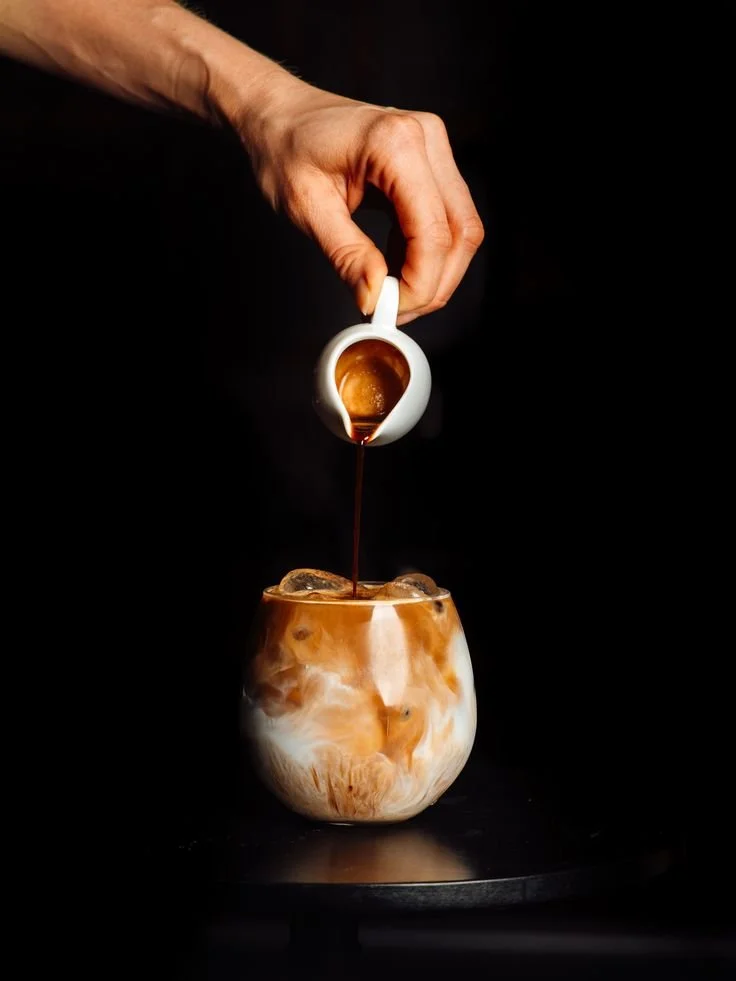
For decades, global coffee culture has been built on a strange form of culinary Stockholm syndrome. We have been conditioned to believe that good, strong coffee has to taste like a punch to the jaw. We pour a steaming morning cup, wince at the sharp, ash-like bitterness that immediately coats the tongue, and instantly reach for the sugar, heavy cream, or flavored syrups to drown it out. We tell ourselves it’s an acquired taste. We drink it for the caffeine jolt, treating the flavor as a necessary evil.
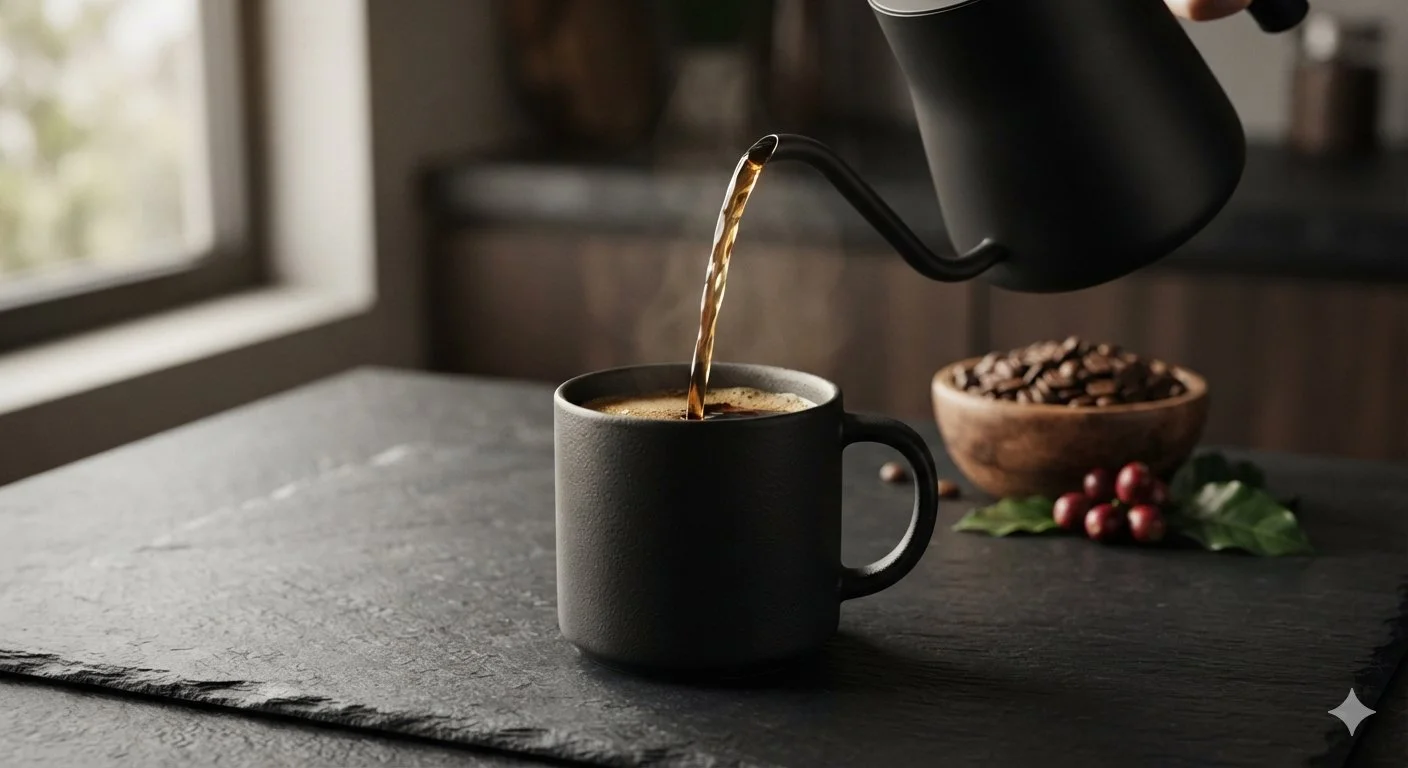
But here is a fundamental truth from the heart of the roastery: Real, high-quality specialty coffee is not supposed to be bitter.When your morning brew leaves a harsh, burnt, or chemical aftertaste that lingers uncomfortably, you aren’t actually tasting the coffee bean. You are tasting shortcuts, industrial processing, and low-grade fillers. Let’s pull back the curtain on the commercial coffee industry to look at exactly why your morning brew might be biting back—and how a truly crafted cup changes the game entirely.
1. The Chicory and Additive Cover-Up: Why Fillers Ruin the Cup
To understand why is my coffee bitter, we have to look at what is actually inside the bag. Mass-produced commercial coffees frequently rely on heavy percentages of chicory or low-grade fillers to cut production and sourcing costs.
Chicory—the roasted root of the Cichorium intybus plant—has historically been blended into coffee during times of economic scarcity to stretch out coffee supplies. While it provides a dark, thick brew that mimics the appearance of a strong extraction, it introduces a heavy, woody, and intensely medicinal bitterness. This artificial sharpness completely obliterates the delicate, natural flavor compounds of the actual coffee bean.
At Cherritos, we stand by a strict, uncompromising rule: 100% pure Arabica beans, absolutely zero chicory, and zero additives. When you strip away the fillers and artificial enhancers, you are left with the unadulterated purity of the coffee cherry. What remains isn’t a flat wall of bitterness, but a naturally complex beverage that needs no masking agents to be thoroughly enjoyed.
2. Roasting with Intent vs. Roasting to Burn
The second culprit behind the bitter coffee epidemic is the roasting process itself. Many large commercial brands intentionally over-roast their beans until they are completely charred, black, and oily. This isn’t an accident; it is a calculated industrial strategy.
Coffee is an agricultural product, meaning its flavor changes based on weather, soil quality, and harvest timing. For a massive corporate brand, this natural variance is a nightmare because they need every single bag to taste identical across thousands of supermarkets.
By roasting the beans past their breaking point into a deep, oily dark roast, they burn away the unique characteristics of the crop. Burning the beans effectively hides defects, mold, or low-quality sourcing, ensuring that a cheap batch tastes exactly like the last one. The result? A cup that tastes like ash and carbon.
Specialty roasting takes the exact opposite approach:
- Small-Batch Precision: Roasting in small, carefully monitored batches allows for precise heat control.
- Respecting the Origin: Instead of masking the coffee, the goal is to gently draw out the natural sugars inherent in the bean.
- Highlighting Nuance: This gentle caramelisation is how you get the rich chocolate notes in the Cherritos Signature Blend or the smooth, earthy warmth of the Coorg Mud Blend, without a trace of harshness.
3. Sourcing Matters: Shaded Hills vs. Industrial Sun Monoculture
The secret to a naturally sweet, low-bitterness cup begins long before the beans ever reach the roaster. It starts with how and where the coffee trees are grown.
High-quality Arabica coffee thrives under a canopy of diverse shade trees. In the traditional coffee-growing regions of India, such as Coorg and Chikmagalur, coffee plants grow alongside pepper vines, orange trees, and native forest canopies. This shaded environment creates a cooler microclimate, forcing the coffee cherries to mature slowly over many months. This slow development gives the plant time to synthesise complex organic compounds—specifically natural malic and citric acids balanced by deep structural sugars.
Conversely, cheap commercial coffee often relies on sun-grown monoculture farms. To maximise yield, vast fields are cleared of all shade trees, exposing the coffee plants to intense, direct sunlight. While this forces the plants to produce fruit rapidly, the cherries are harvested before their internal sugars have fully matured. The resulting beans are structurally underdeveloped, leading to a cup that is flat, highly astringent, and aggressively bitter.
┌───────────────────────────────┬────────────────────────────────────────┐
│ Industrial Commercial Coffee  │ Cherritos Specialty Coffee             │
├───────────────────────────────┼────────────────────────────────────────┤
│ • Often blended with chicory   │ • 100% Pure Arabica, zero additives    │
│ • Sun-grown monoculture crops │ • Shade-grown in biodiverse estates    │
│ • Over-roasted to hide flaws  │ • Small-batch roasted to highlight flavor│
│ • Requires sugar/milk to drink│ • Naturally smooth, sweet, and balanced │
└───────────────────────────────┴────────────────────────────────────────┘

The Ultimate Freshness Test
If you want to break free from the myth of the bitter cup, we challenge you to try the Freshness Test with your next bag of Cherritos:
- Brew it Clean: Prepare a fresh cup of Cherritos Vienna Roast or Millennium Blend using your preferred method, keeping it entirely black.
- Take an Initial Sip: Taste it while it is hot. Notice the clean mouthfeel and the absence of that sharp, stinging sensation at the back of your throat.
- Let it Cool: Set the cup down and let it cool for three to five minutes until it reaches a warm, drinkable temperature.
This is where the magic happens. While low-grade commercial coffee becomes incredibly sour and unbearable as it cools, a well-crafted, shade-grown specialty roast actually reveals more sweetness as its temperature drops. As the heat dissipates, your tastebuds are unlocked to experience genuine notes of caramel, dark chocolate, toasted nuts, and subtle stone fruit.
Stop tolerating coffee that hurts. Drink it the way nature intended: clean, balanced, and effortlessly smooth.