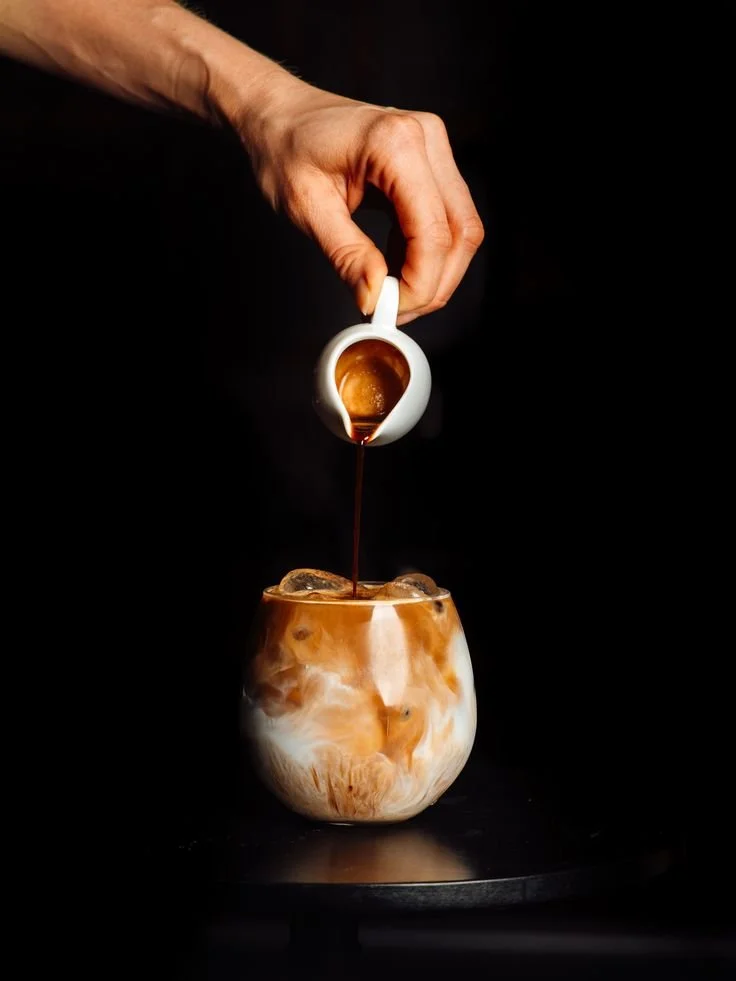
If your morning routine involves tearing open a shiny packet of commercial, mass-produced coffee, dumping it into hot water, and masking the bitterness with three spoons of sugar and a heavy splash of milk, you aren’t actually tasting coffee. You are tasting a caffeine delivery vehicle.
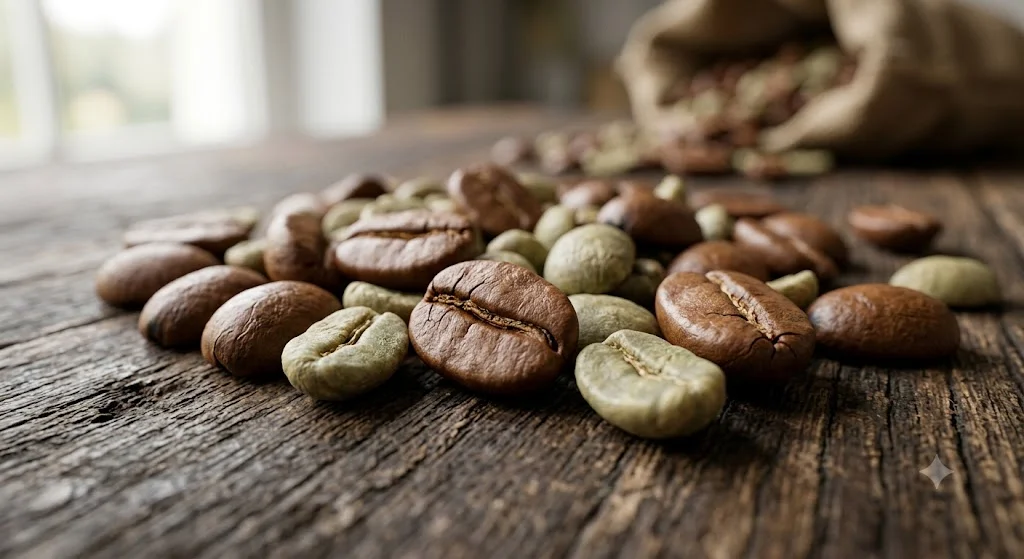
For decades, we have treated coffee like a basic utility—a bitter, dark liquid engineered purely to jolt our nervous systems awake. But a quiet revolution is happening on the misty slopes of India’s finest estates. Coffee is reclaiming its identity as a luxury, artisanal beverage.
This isn’t about snobbery; it’s about chemistry, craft, and clarity. When you transition from instant, commodity blends to a bag of freshly roasted 100% Arabica specialty coffee, you aren’t just changing your morning beverage. You are rewriting your entire sensory relationship with the world’s most popular bean.
1. Decoding the Blueprint: What Makes Coffee “Specialty”?
In the mainstream market, the word “premium” is thrown around as a marketing buzzword. In the coffee world, however, Specialty Coffee has a literal, scientific definition.
Coffee is graded on a strict 100-point scale by certified experts known as Q Graders. To earn the title of “specialty,” a coffee batch must score 80 points or higher. Commodity coffees—the kind filling supermarket shelves and instant jars—rarely scrape past 60. They are riddled with primary defects: sour beans, insect damage, mold, and broken fragments.
Specialty coffee demands perfection at every single step of the supply chain:
- The Perfect Terroir: The beans must be grown at optimal high altitudes, where cooler temperatures force the coffee cherries to ripen slowly, packing dense sugars and complex acids into the seed.
- Hand-Picked Precision: Stripping whole branches clean is the standard for mass brands, meaning underripe green cherries and overripe rotten ones end up in the final roast. Specialty coffee requires selective harvesting, where pickers return to the same tree multiple times, picking only the perfectly crimson, sweet cherries.
- Traceable Lineage: You don’t buy “mystery dirt.” You know the exact region, the altitude, the processing method, and often the single estate where the crop was nurtured.
2. The Chemistry of Pure Coffee vs. The Illusion of Additives
Look closely at the ingredient list of a standard commercial coffee brick sold in retail markets. More often than not, you will spot a hidden culprit: Chicory.
Originally introduced during wartime shortages to stretch coffee volumes, chicory (a roasted root) has become a permanent crutch for mass-market brands. It adds artificial thickness and a distinct woody bitterness. Because mass-produced robusta beans are naturally harsh, woody, and intensely bitter, brands blend them with chicory to create a uniform, dark liquid that punches through heavy milk.
True specialty coffee stands completely exposed. Brands like Cherritos Coffee Co. operate on a rigid pillar: 100% pure beans, zero chicory, and zero artificial flavorings.
When you strip away the fillers, you suddenly experience coffee as nature intended. High-quality Arabica beans possess hundreds of volatile aromatic compounds. When brewed cleanly, you don’t need synthetic vanilla or caramel syrups because the bean itself inherently holds notes of dark chocolate, citrus zest, brown sugar, or delicate stone fruits.
3. The Art of the Small-Batch Roast
Think of commercial coffee processing like a massive industrial furnace. Millions of pounds of low-grade beans are blasted with extreme heat in giant automated drums. The objective isn’t flavor; it’s uniformity. By roasting the living daylights out of the beans until they turn oily and black, industrial brands burn away the defects. The downside? They also burn away any unique regional flavor. Every batch tastes exactly the same: like ash, smoke, and charcoal.
Specialty roasters treat the bean like a delicate raw ingredient. Roasting is done in small, highly controlled batches using precision drum temperatures and airflow metrics. The goal of a skilled roaster is to find the “sweet spot” where the bean’s natural sugars caramelize perfectly without crossing over into burnt bitterness.
The Flavor Spectrum
The length and temperature of the roast dictate the final flavor personality of your cup:
| Roast Level | Ideal Flavor Profile | Best Suited For | Standout Indian Example |
|---|---|---|---|
| Medium Roast | Bright, vibrant, fruit-forward, and highly aromatic. Retains origin characteristics. | Pour Over (V60), Aeropress, Black Coffee drinkers | Heritage Select |
| Medium-Dark Roast | Perfectly balanced. Deep cocoa notes, mild acidity, rich body, and smooth sweetness. | French Press, South Indian Filter, Everyday Drinking | Monsoon Malabar / Western Crest |
| Dark Roast | Intense, bold, full-bodied with a luxurious bittersweet finish and heavy mouthfeel. | Espresso, Cappuccinos, Lattes, Stovetop Moka Pot | Vienna Roast / Signature Blend |
4. The Countdown Timeline: Why Commercial Coffee is Already Dead
Here is a hard truth about coffee: it is a fresh agricultural product, not a non-perishable pantry stable. Once coffee beans leave the roaster, an invisible, unstoppable countdown clock begins.
When exposed to oxygen, the volatile oils responsible for the intoxicating aroma and complex taste profiles begin to oxidize and dissipate.
- The Ground Trap: Pre-ground commercial coffee loses up to 60% of its distinct aroma within minutes of grinding because the increased surface area accelerates oxidation exponentially. By the time it sits on a grocery shelf for months, it is functionally stale.
- The Specialty Promise: True specialty coffee houses stamp a clear “Roast Date” directly onto the bag, rather than a vague “Best Before” date. The ultimate window of peak flavor lies between 7 to 30 days post-roast.
Brewing a cup of small-batch coffee that was roasted just a couple of weeks ago delivers a night-and-day difference. The crema is thick, the aroma fills the entire room the second you crack open the bag, and the liquid feels lively on the palate rather than flat and dusty.
5. From Bean to Ritual: Elevating Your Home Brew
Switching to premium beans is the first step, but how you prepare them honors the journey they took to get to you. Elevating your home coffee ritual doesn’t require thousands of rupees in commercial machinery. It simply requires understanding how different tools interact with the grinds.
The Immersion Method: French Press
If you love a dense, oily, full-bodied cup of coffee, the French Press is your best friend. Because it uses a metal mesh filter rather than paper, it allows the bean’s natural essential oils to pass directly into your mug. Pairing a medium-dark option like the Coorg Mud Blend or Western Crest with a coarse grind creates an incredibly comforting, heavy morning cup.
The Precision Method: Pour-Over (V60)
For those who want to experience the clean, nuanced notes of a specialty bean without heavy sediment, paper-filter pour-overs are unmatched. As water gently cascades through a medium grind of a bright, single-origin Heritage Select, it extracts pristine clarity. You’ll easily notice the distinct shift from initial bright acidity to a clean, sweet finish.
The Cultural Staple: South Indian Filter Coffee
You don’t have to abandon tradition to drink specialty. By using a pure, high-grade medium-dark or dark roast blend inside a traditional brass drip filter, you get the rich, intense concentrate needed to pair with frothed milk—minus the muddy, synthetic bitterness of standard market powders.

The Ultimate Choice: Commodity or Craft?
Every time you buy a bag of coffee, you are casting a vote. You can choose mass-produced commodity items that rely on fillers, heavy roasting tricks, and long supply chains. Or, you can choose to step into the intentional world of specialty coffee.
It’s time to stop rushing through your morning fuel. Slow down. Buy freshly roasted, small-batch beans. Grind them fresh. Take a sip before you add the sugar. You might just realize that great coffee doesn’t need to be hidden behind milk and syrups it just needs to be crafted with intent.